–
Analysing the Fiscal, Economic, and Policy Consequences of Recent Wage Mandates
–
Introduction
–
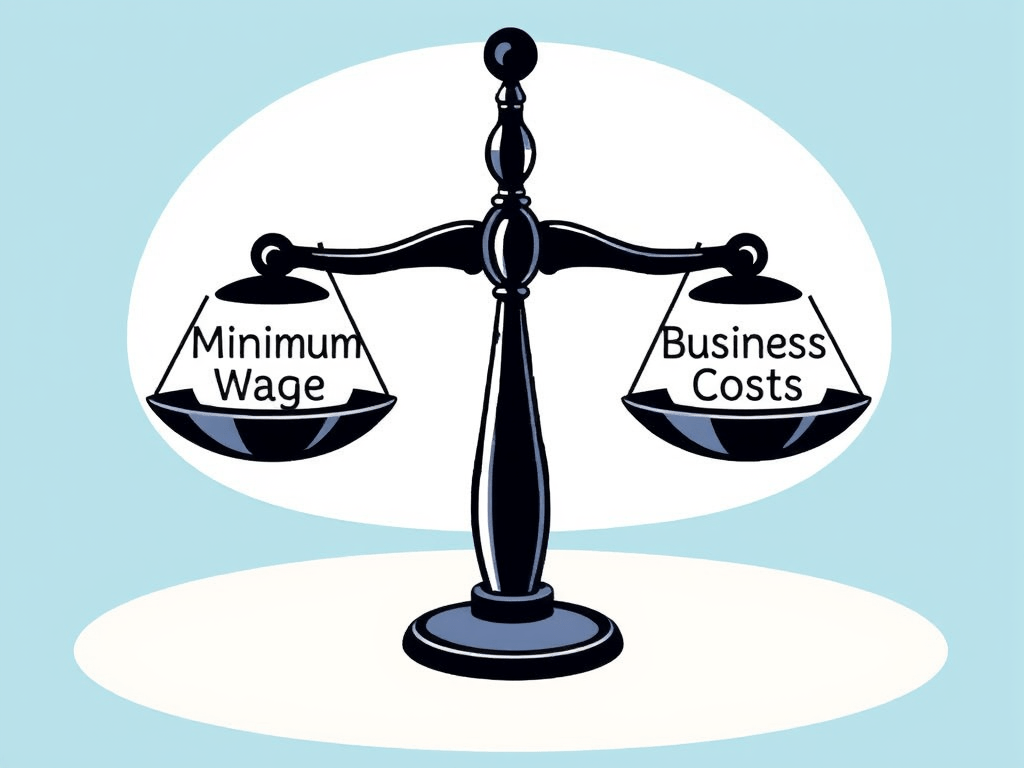
The minimum wage has long been a focal point of economic policy debates, with proponents arguing for its role in reducing inequality and critics warning of potential unintended consequences. Recent changes to the minimum wage structure and broader fiscal policies have reignited discussion over whether raising the minimum wage effectively operates as a tax hike on businesses. This article critically examines this argument, focusing on recent budget changes, the role of key policymakers, detailed wage increases, the true cost to employers, and the wider economic implications. The analysis is designed for business owners, policymakers, and the general public seeking an objective understanding of the issue.
–
Budget Changes and Policy: The Role of Rachel Reeves
–
In the latest budget cycle, significant changes have been introduced affecting the financial landscape for businesses. Rachel Reeves, as Chancellor of the Exchequer, has played a pivotal role in shaping these policies, which include not only direct business tax increases but also indirect fiscal pressures through mandated wage hikes. The argument posits that by increasing the statutory minimum wage, the government imposes additional costs on employers, which function similarly to a tax: they are compulsory, unavoidable, and accrue to the benefit of the public purse through increased tax and National Insurance receipts.
–
Details of Wage Increases: Over 21s and Under 21s
–
Recent legislative changes have seen the minimum wage for workers over the age of 21 rise from £12.21 to £12.71 per hour, representing a significant year-on-year increase. For those under 21, the minimum wage has increased from £10.00 to £10.85 per hour, an increase of 8.5%.While these figures are intended to ensure a living wage and reduce income disparities, the immediate effect is a substantial increase in employment costs for businesses across sectors, particularly those with a high proportion of lower-waged staff.
–
The True Cost to Businesses: Breakdown of Additional Employment Costs
–
For businesses, the cost of employing staff at the new minimum wage levels extends beyond the hourly rate. Employers are responsible for additional expenses such as National Insurance contributions, pension auto-enrolment, and, in some cases, apprenticeship levies. The cumulative impact of these direct and indirect costs can be substantial, particularly for small and medium-sized enterprises (SMEs). For example, a business employing 50 staff over the age of 21 on minimum wage will see annual wage costs increase by over £50,000, once employer contributions and associated costs are factored in. These increased costs mirror the financial burden of a direct tax hike, as businesses have little choice but to absorb them, reduce staffing levels, or pass costs onto consumers.
–
Government Revenue Impact: Taxes, National Insurance, and Fiscal Effects
–
One of the less-discussed consequences of rising minimum wages is the corresponding increase in government revenues. Higher wages translate into greater income tax and National Insurance contributions, both from employees and employers. This influx of revenue can help fund public services and reduce budget deficits. However, it also raises questions about the balance between social objectives and the financial viability of businesses, especially when wage increases are not matched by productivity gains or economic growth.
–
Broader Economic Consequences: Unemployment, Reduced Revenues, and Increased Benefit Spending
–
The broader economic effects of mandated wage increases are complex. Critics argue that higher employment costs may lead to reduced hiring, job losses, or a shift towards automation, particularly in sectors with thin profit margins. This can result in higher unemployment, lower overall business revenues, and increased government spending on unemployment benefits and social support. While the intention is to lift incomes, the risk is that abrupt or substantial wage hikes without corresponding economic growth may backfire, harming both businesses and workers in the long term.
–
Growth vs. Mandated Increases: The Case for Growth-Driven Wage Policy
–
There is a compelling argument that wage increases should be driven by sustainable economic growth rather than government mandates. When wages rise as a result of increased productivity and business expansion, the cost is offset by higher output and profitability. In contrast, mandated wage hikes can distort labour markets and impose additional burdens on businesses that are not matched by increased economic activity. A growth-driven approach encourages investment, innovation, and organic wage progression, aligning the interests of workers, employers, and the government.
–
Conclusion
–
The recent minimum wage increases, viewed through a fiscal lens, can be seen as a form of indirect taxation on businesses. While the social objectives behind such policies are laudable, the true costs to employers, the increase in government revenues, and the potential for adverse economic consequences warrant careful consideration. Sustainable wage growth is best achieved through robust economic expansion and productivity improvements, rather than compulsory cost increases. Policymakers must weigh the benefits of higher wages against the risks of reduced employment opportunities and increased fiscal pressure on businesses, ensuring that future policies foster a healthy, dynamic economy for all stakeholders.
 If it was up 2 me
Leave a comment